
5 Tips for Keeping Weeds Under Control in Your Garden
5 Tips for Keeping Weeds Under Control in Your Garden
Let’s face it—if weeds paid rent, we probably would not mind them so much. Unfortunately, these uninvited guests do not just take up space; they steal water and nutrients from your vegetables, crowd out your beans and peas, and even provide a cozy winter vacation home for garden pests.
The good news? Staying ahead of weeds is much easier than staging a full-scale garden rescue in July. Here are our top five tips for keeping those freeloaders under control.
1. Timing Is Everything
When it comes to weeding, consistency beats heroics every time.
Spending 10–15 minutes weeding once a week is far easier than dedicating an entire Saturday to battling a jungle that somehow appeared overnight. (Seriously, do weeds grow while we are sleeping?)
The biggest reason to stay on top of them? Seeds. Once weeds flower and go to seed, they are setting little time capsules for future headaches. Many weed seeds can survive in the soil for years, just waiting for the perfect opportunity to make your life difficult.
The goal is simple: don’t let them get that far. A little effort now saves a lot of work later.
2. Keep Your Pathways Tidy
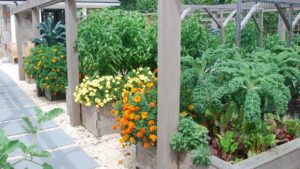
One of the many reasons we love raised beds is that they clearly separate growing spaces from walking spaces.
By covering pathways with weed barrier fabric and gravel, you eliminate a huge portion of your weeding—and mowing—before it even starts. Think of it as working smarter, not harder.
We generally don’t recommend wood-chip pathways. While they look great at first, they eventually break down into rich organic matter…which weeds absolutely love. Before you know it, you’ll be weeding the paths almost as much as the garden beds.
3. Stop Weeds Before They Know They Are Weeds
Ever walk outside on a sunny spring morning only to discover your garden covered with thousands of tiny green sprouts?
Do not panic.
This is where the hula hoe (also called a stirrup hoe) becomes your new best friend. Its horizontal blade slices just beneath the soil surface, uprooting tiny weeds before they have a chance to establish themselves.
Using it on a warm, sunny day is especially satisfying because the uprooted weeds dry out right where they fall—no extra cleanup required.
The trick is timing. Wait another week, and those tiny sprouts become stubborn weeds that require much more effort. A quick pass every week through early summer can keep your garden looking clean with surprisingly little work.
Your lettuce—and your back—will appreciate it.
4. Mulch the Right Crops
Mulch is one of the best weed-fighting tools in the garden—but like any good tool, it’s all about using it correctly.
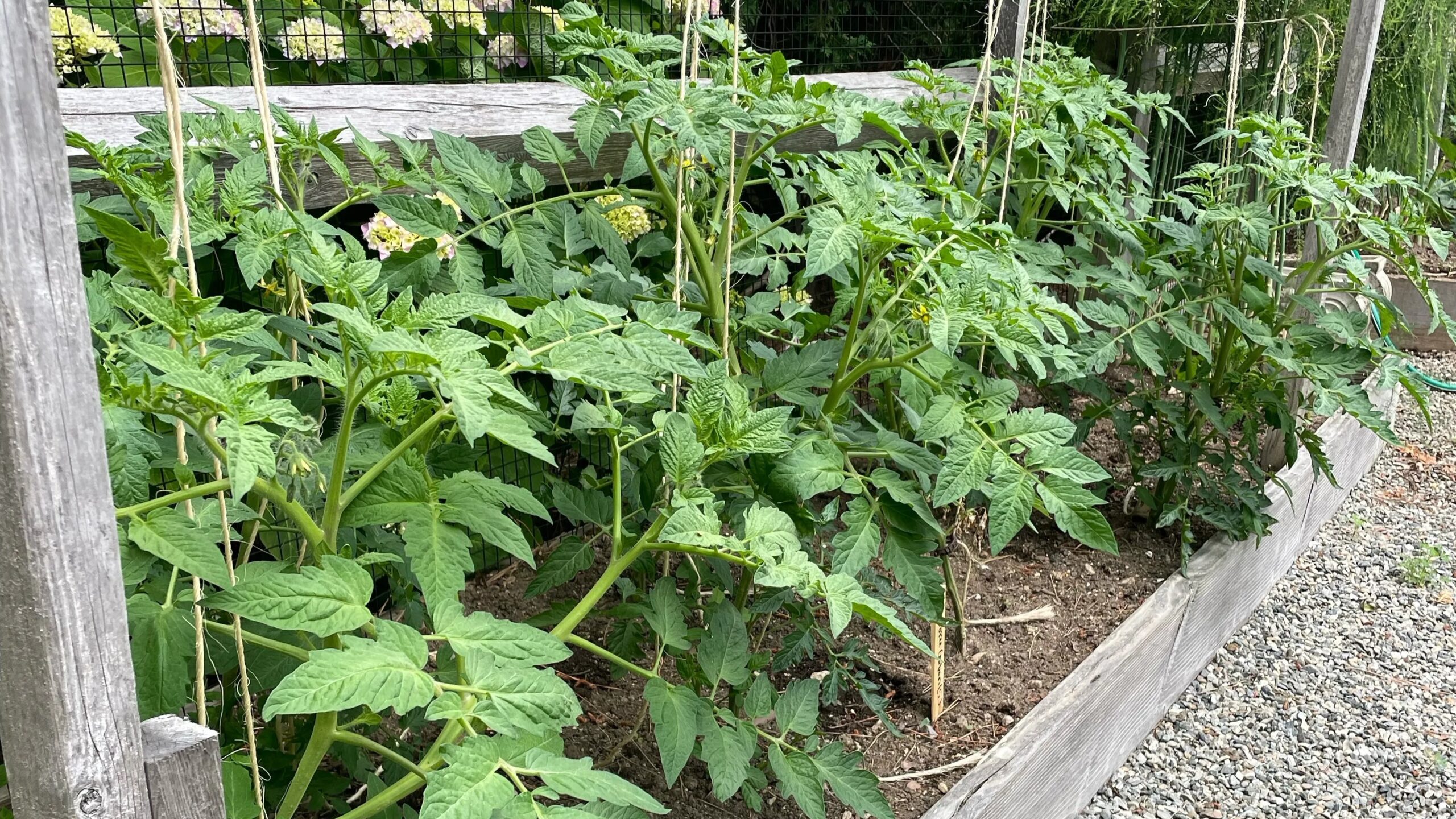
Apply one to two inches of wood chips around long-season crops like tomatoes, peppers, kale, and other perennials. Besides suppressing weeds, mulch helps retain moisture, moderates soil temperature, and creates a welcoming environment for earthworms and beneficial soil life.
However, skip the mulch around crops that are frequently replanted or direct-seeded, such as lettuce and carrots. Tiny seedlings have enough challenges without trying to push through a layer of wood chips.
One important warning: mulch belongs on top of the soil—not mixed into it. Mixing chunky organic material into the root zone can temporarily tie up nitrogen, leaving your plants hungry while the mulch decomposes.
5. Don’t Underestimate Good Old-Fashioned Hand Weeding
Sometimes, the best garden tool has been attached to you the whole time.
Hand weeding isn’t glamorous, but it’s incredibly effective—especially around tomato cages, pepper plants, and other tight spaces where larger tools can’t reach.
You can even lightly scratch the soil surface with your fingers to disturb tiny weed seedlings before they establish themselves, much like a hula hoe does in open areas.
Slip on a comfortable pair of gloves, put on your favorite podcast or playlist, and before you know it, you’ve turned weeding into a surprisingly satisfying garden ritual. (Okay…maybe “satisfying” is a stretch. But it’s definitely better than letting the weeds win.)
The Bottom Line
Weeding isn’t anyone’s favorite gardening task, but it does not have to take over your season. Stay consistent, tackle weeds while they are small, mulch where it makes sense, and do not be afraid to get your hands dirty.
Your vegetables will have more room to grow, fewer pests to compete with, and you will spend more time harvesting fresh produce—and less time wondering how that one tiny weed somehow became a four-foot-tall monster overnight.
Share this entry
Homefront Farmers Blog
Why Fall Is the Best Time to Plan Your Garden
September 4, 2026


When is the Best Time to Plan for Berries?
July 27, 2026

Your Garden Is Planted — What Now?
May 29, 2026
Crop Planner
Our Crop Planner offers a bounty of choices…. vegetables, herbs, edible flowers, fruit trees and bushes, so there is always something growing, flowering, ripening and ready to pick. Here are some examples of what we have pre-selected for you, and if you don’t see a variety you like, we will do our best to grow it for you. Homefront Farmers has the best varieties for cultivation in Connecticut.