Planting the Right Crops at the Right Time
Planting the Right Crops at the Right Time
Cool & Warm Weather Crops: Planting the Right Crop at the Right Time
Have you ever planted seeds in the ground only to wait 6 weeks for them to finally germinate? (meanwhile, the weeds pop up within days!)
Or maybe you planted garlic in the spring and it came up with tiny cloves that were impossible to peel!
Maybe those beets that you seeded in August never reached a decent size before winter came?
We’ve all felt the heartache of a failed experiment – and that’s how we learn! Here in southern Connecticut, we live in a seasonal world, and the timing of vegetable and flower crops is incredibly important to their success.
But you don’t have to experiment on your own for years before you reach success! Read on for some basic guidelines on planting times in our area, and how they can set you up for the best season yet!
Cool Weather Crops
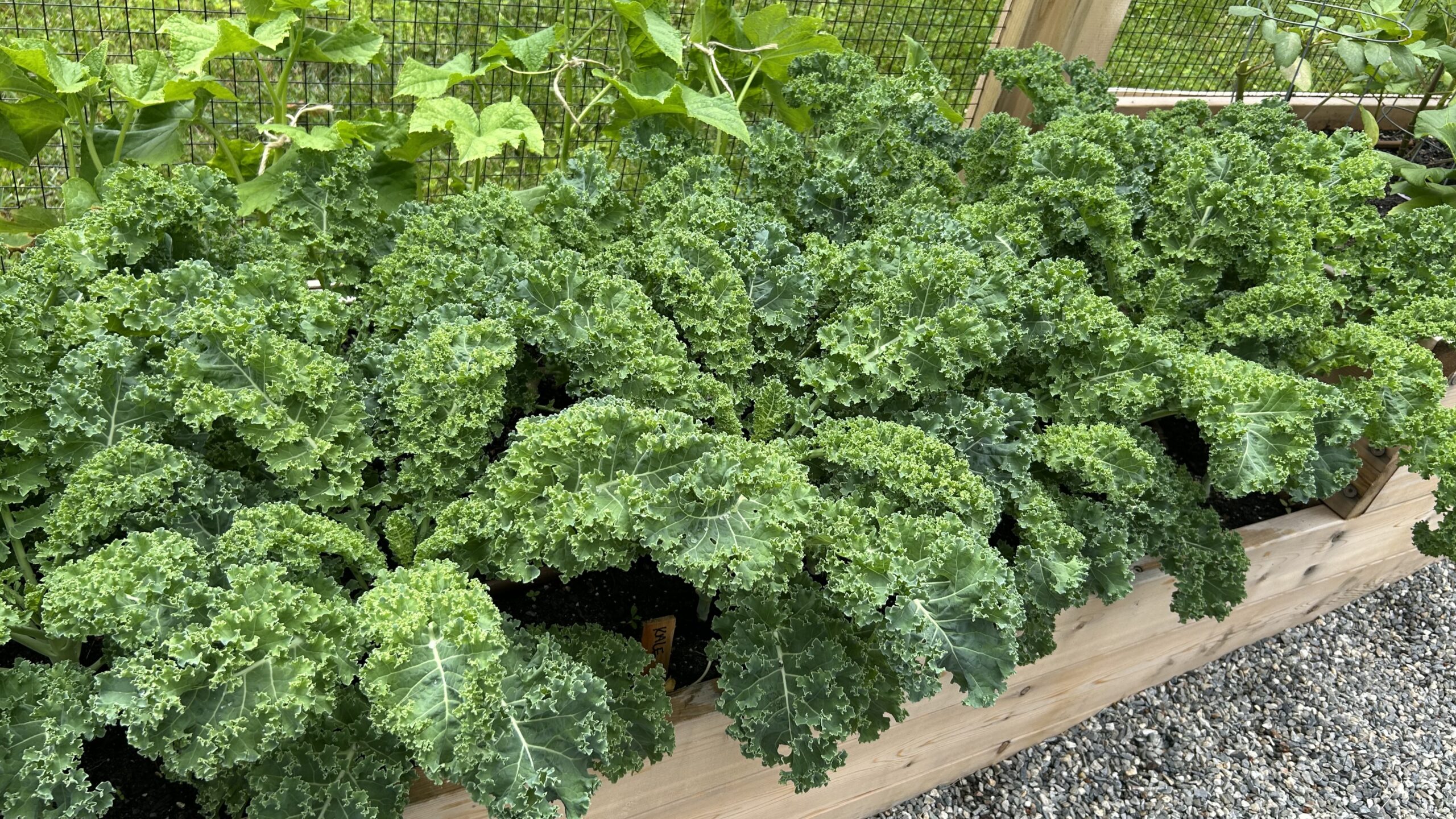
Have you ever heard of the term “cool weather crops”? These are any veggie and flower crops that grow best in the cool weather of spring or fall. Generally speaking, this includes a lot of leafy greens, like spinach, lettuces, arugula and Asian salad greens such as bok choy or Tokyo Bekana.
Cool weather crops often have short life cycles, and the part of the plant that we desire to harvest is the leaf. Cool weather yields sweet and tender leaves. Warm weather, and a certain amount of time we call “Days to Maturity” will cause many cool weather crops to begin to flower or set seed, which in turn halts foliage production and increases bitter flavors.
So how do we grow cool weather crops for the best success? We start many of them early in a greenhouse or indoors under lights, about 4-6 weeks before we plant them outside in early spring. For southern Connecticut, zones 6b-7a, our last frost date is around the second or third week of May. But don’t worry about that! Cool weather crops can be planted before the last frost date, often once the soil hits 40 degrees – that’s around early April.
To buffer temperature swings, you can use floating row cover over hoops, which is a fabric that can protect cool weather crops from a few degrees of frost. Double up the fabric for more protection!
Planting cool weather crops too late is a common novice gardening mistake and will lead to a short plant life, small and bitter leaves, and less salad greens.
Warm Weather Crops
Warm weather crops are those that are frost sensitive and grow best in the warm temperatures of summer. Even though our last frost can be in mid-May, some warm weather crops really desire a warm soil temperature of 70 degrees to truly thrive.
Take peppers, eggplants, celosia and ginger; these crops really benefit from being planted outside as late as June, so that they can receive the warmest temperatures possible. Plant them too early and at best, they just sit there and don’t grow until warm weather comes; at worst, they can get diseased, stunted or die completely.
Start warm weather crops early indoors, either in a heated greenhouse or under lights inside, and keep them warm – around 70 degrees. Put them outside once the weather truly warms, and they will grow way faster and healthier than if you jump the gun!
Planning for Fall Harvests
Not everything is about temperature! Some plantings are heavily affected by day length. Be sure to add 50% more time for maturation when planning your fall crops, since daylight hours decrease and growth slows overall. Here in southern Connecticut, our first frost date is around mid-October, so count backwards from that date.
Overwintering Crops:
Some crops, such as garlic, tulips and daffodils, like to be planted in fall for a harvest the following spring and summer. Plant these beauties in the spring and they will be smaller and less vigorous.
These overwintering crops like to grow at very cool temperatures, and in some cases need vernalization, or to experience a winter, in order to bloom. It can be hard to remember to plant these crops since the timing is tricky, so go ahead and put it in your calendar now! Your future self will thank you!
Have questions about timing your garden crops? We are happy to help! Click here to see our Remote Consultation offerings, or check out our Maintenance programs for more hands-on help!
Share this entry
Homefront Farmers Blog
When is the Best Time to Plan for Berries?
July 27, 2026
Your Garden Is Planted — What Now?
May 29, 2026
Crop Planner
Our Crop Planner offers a bounty of choices…. vegetables, herbs, edible flowers, fruit trees and bushes, so there is always something growing, flowering, ripening and ready to pick. Here are some examples of what we have pre-selected for you, and if you don’t see a variety you like, we will do our best to grow it for you. Homefront Farmers has the best varieties for cultivation in Connecticut.