WHAT YOU NEED TO KNOW TO GET YOUR GARDEN STARTED
DIRECT SEEDING VS. TRANSPLANTING
The snow has melted, the weather is (slowly) warming, daylight hours are lengthening and it’s finally beginning to feel like spring!
Many home gardeners wonder which crops are the most important to grow from transplant and which are best for growing from seed.
After 15 years of growing in thousands of gardens across Connecticut and New York, we are here to give you some hard and fast advice on how to best get your crops growing this summer.
A Few Common Terms Before We Start:
Direct seed refers to any crop that is planted by putting seeds directly into the soil outside. No transplant needed here! Just prep your bed, plant your seeds and go!
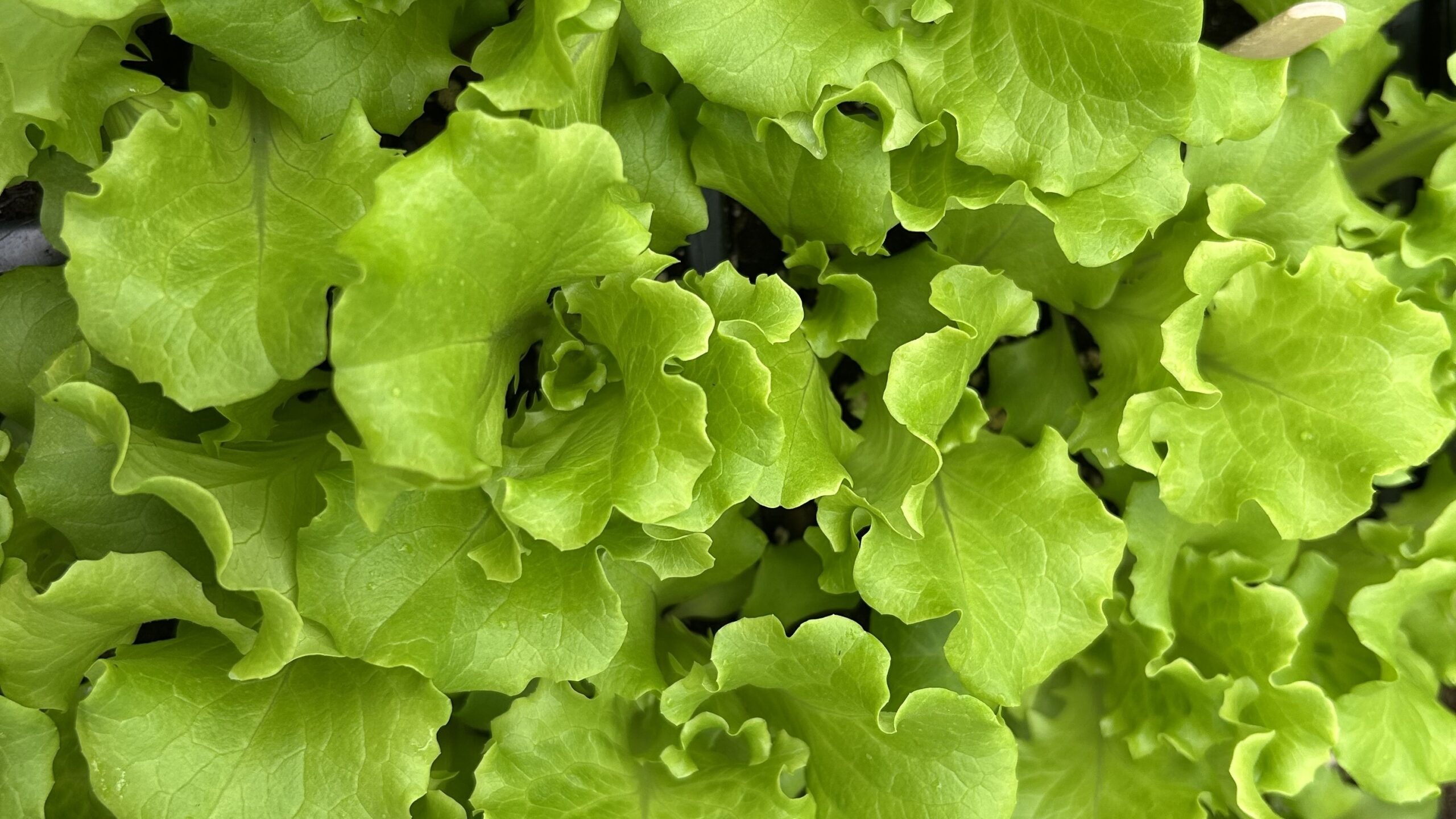
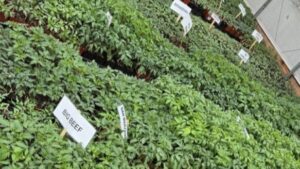
Seedling or transplant refers to any crop that is grown either in a greenhouse, or under grow lights, indoors before it is transplanted outside.
Best practice: While many crops can be grown by direct seeding them into the ground, our recommendations are based upon the best method for success, or best practice.
For example, even though you can plant zinnias by scattering seed outside in mid-May, we recommend starting them from transplants beforehand for several reasons:
#1. Transplants will more easily outgrow weeds
#2. Plants will bloom earlier
#3. Seeds will germinate faster in warmer indoor temps rather than cool outdoor temps
Why start anything indoors at all?
Most of us don’t have a greenhouse, and growlights are expensive.
Why can’t we just skip that step and seed everything outside?
- Temperature: Every crop grows a little differently, and needs different conditions for optimal growth. But one commonality is that most seed germinates more quickly in warm temperatures than cold temperatures. That means between 60 and 75 degrees.
- Time: Some crops take months to mature into a good sized transplant (I’m looking at you, peppers!) Since we live in New England, we have a fairly short season. Even peppers started indoors around Valentine’s Day will not start producing ripe peppers until at least mid-July. If you want to have a successful vegetable garden, you need to give the proper amount of time for the plants to mature before you can enjoy a harvest.
- Weeds: Everyone knows that weeding is a part of gardening. Weeds are simply any plant that grows in your garden that you don’t want to be there. It could be native, invasive, or a “volunteer” from last year’s cilantro plant. Regardless, weeds grow FAST in late spring and early summer. It’s imperative that you both keep them under control, and outsmart the weeds by planting mature transplants who can outgrow them more efficiently than a tiny seed that has barely sprouted.
To help you out, we have created a master list of the most common garden crops, and how best to get them started.
Seedlings that are the most important to start indoors: These are longer-maturing, harder to grow crops, or crops with very small, expensive seed:
- Tomatoes
- Peppers & Eggplant
- Broccoli & Cauliflower
- Cabbage & Kale
- Onions (grown from seed)
- Basil
- Woody herbs such as rosemary, thyme, sage & lavender
- Snapdragons, strawflower, globe amaranth and foxglove
- Ginger
Crops that can be planted by Direct Seeding outside, but will mature faster when started indoors:
- Beets
- Cucumbers
- Squash
- Head Lettuce
- Spinach & Arugula
- Dill & Cilantro
- Zinnias & Cosmos
- Nasturtium & Marigolds
- Sunflowers & Celosia
- Dahlias
Crops that Grow Best by Direct Seeding Outside: Some crops do not like root disturbance, and really cannot or should not be grown from transplant. These crops include:
- Carrots
- Beans & Peas
- Potatoes
- Baby lettuce or any greens grown for baby stage harvest
- Nigella
- California & Shirley Poppies
Regardless of how you get your garden started, be sure to give your germinating seeds and newly transplanted seedlings ample water, sun and fertile soil to help them get adjusted to their new home.
Don’t have room for grow lights or a greenhouse? No problem!
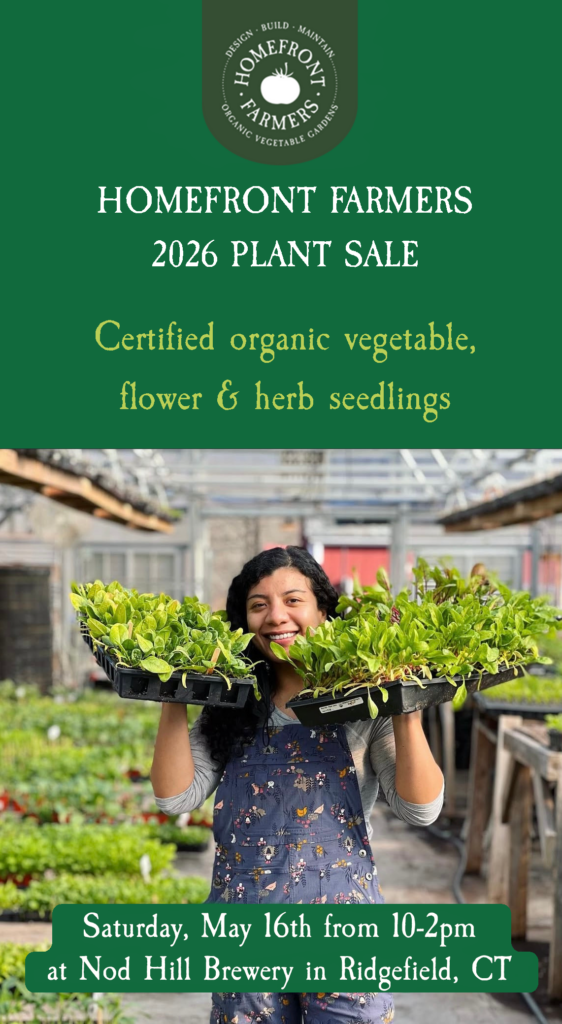
We grow thousands of certified organic vegetable, herb, and cut flower transplants in our greenhouse here in Redding, CT.
Join us for our annual plant sale at Nod Hill Brewing Company in Ridgefield on May 16th from 10-2pm!