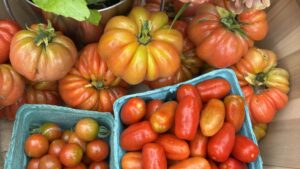
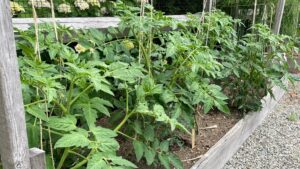
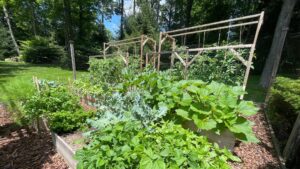
We are in the heart of summer, and the garden is finally paying us back for all of our hard work! Juicy tomatoes, sweet peppers, crisp cucumbers, and tender green beans are making their way from the garden straight to the dinner table.
But one thing can be surprisingly difficult to keep going through the hottest months of the year: fresh salad greens.
Unlike dependable crops such as kale, which continue producing all season, lettuce, arugula, bok choy, and many other leafy greens need to be replanted regularly to provide a steady harvest. With a little planning and succession planting, you can enjoy fresh salads from spring all the way through late fall.
Here are our top tips for keeping the salad bowl full all season long!
1. Choose Heat-Tolerant Varieties
Most lettuce prefers the cool temperatures of spring and fall. As summer temperatures rise, lettuce often bolts (sends up a flower stalk), causing the leaves to become bitter and the plants to stop producing.
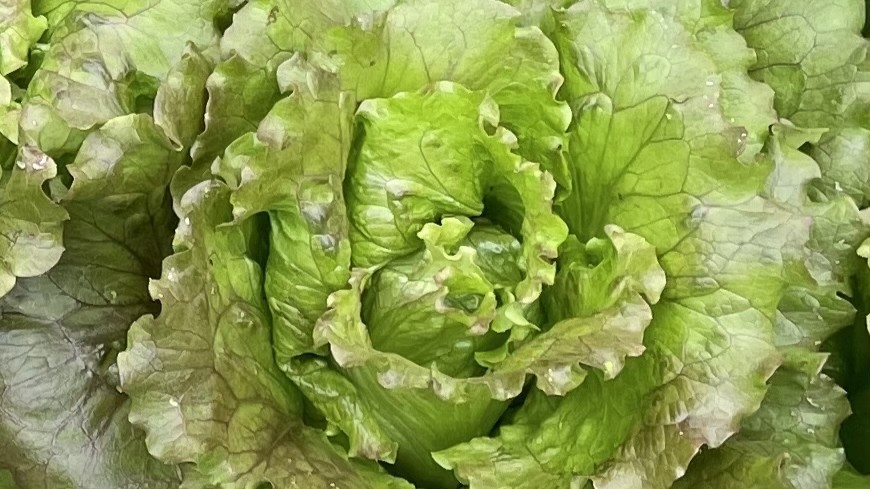
Fortunately, not all lettuce varieties perform the same. Summer Crisp (Batavian) lettuces are much more heat tolerant than many romaine and butterhead varieties, making them an excellent choice for midsummer harvests. Planting varieties bred for warm weather will help you enjoy crisp, flavorful lettuce even during the hottest weeks of the season.
2. Plant a New Crop Every Two Weeks
Lettuce grows quickly during the long, warm days of summer and is often ready to harvest in just a few weeks. Instead of planting a single large crop, sow a small batch every two weeks. This simple succession planting schedule ensures that as one planting finishes, another is just reaching harvest.
Continue sowing lettuce through about Labor Day for a steady supply well into autumn.
3. Plant Extra for a Long Fall Harvest
As summer winds down, it’s time to think ahead to fall.
Around Labor Day—or even a week or two earlier—plant your largest sowing of lettuce and other leafy greens. As temperatures cool and daylight hours shorten, plants grow more slowly, especially after mid-October. The upside is that they also stay productive much longer.
Don’t be afraid to plant generously. Those fall greens can often provide fresh salads right up until Thanksgiving, giving you weeks of harvest from a single planting.
4. Do Not Forget Your Other Fall Crops
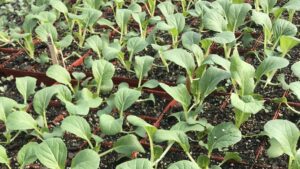
Late July and early August are also the perfect time to sow many cool-season vegetables for fall harvests. Peas, daikon radishes, bok choy, Chinese cabbage, and many other crops thrive in the cooling temperatures of late summer and early fall.
If squash vine borers have claimed your summer squash, or your spring celery has finished producing, don’t leave those garden beds empty. Replanting now gives you the opportunity to enjoy a second harvest before the growing season ends.
With a little succession planting and some timely late-summer sowing, your garden does not have to slow down when summer peaks. In fact, some of the best harvests of the year are still to come!